What each AI chatbot keeps
One table, updated monthly, of what the major AI chat tools retain and for how long. Every row is sourced to the vendor's own documentation or to reporting that names its source; anything a vendor has not published is marked not published rather than guessed. Last verified 17 September 2026. If a row is wrong or out of date, tell us and it gets fixed in the next pass.
How to read this
Four things are worth separating, because tools that look similar differ on all of them. Retention is how long something exists. Deletion is whether removing it from your view removes it from their systems. Training is whether your conversations improve the model. Anonymity is whether the provider knows who you are in the first place.
A tool can score well on one and badly on another. Duck.ai does not know who you are and still holds chats for up to thirty days. Lumo encrypts your history so thoroughly it cannot read it, and requires an account to do so. The right question is not which is "most private" but which property you need for the thing you are about to type.
The table
ChatGPT (OpenAI). Retention: chats persist until deleted, with no automatic expiry. Deletion: OpenAI states removed conversations leave its systems within roughly 30 days, subject to legal hold. Temporary Chats stay out of your history and are removed on a similar window, but exist server-side during it. Uploads: stored separately from the conversation, so deleting a chat does not reliably remove the file. Training: consumer accounts by default, with a data-controls opt-out; Business, Enterprise and Edu workspaces excluded by default. Ads: since February 2026, Free and Go users see ads chosen using the current conversation and, if ads personalisation is on, wider signals from their ChatGPT use; OpenAI states conversations are not shared with advertisers. Legal-hold history: yes — a May 2025 preservation order in the New York Times litigation suspended deletion for roughly five months, and a 20-million-conversation sample was ordered produced. Full breakdown, uploads, the litigation.
Claude (Anthropic). Retention: chats persist in your account until deleted; per Anthropic's privacy centre, deleted chats leave its back-end systems within 30 days. Training: one setting decides it — with model improvement on, Anthropic may train on new or resumed chats and keep them de-identified for up to five years; with it off, chats are not used for training. Incognito chats are never used for training. Commercial tiers are not trained on by default. Reviewers in 2026 describe the consumer setting as arriving switched on, so check it rather than assume. Chats flagged for policy violations can be kept up to two years. Legal-hold history: none reported. Verified against Anthropic's own pages, 25 September 2026 — full breakdown.
Gemini (Google). Retention: with Keep Activity on, which is the default, chats are saved for 18 months unless you choose 3 months, 36 months or never. With Keep Activity off, or in a temporary chat, Google still keeps each chat for 72 hours. Training: saved activity is used to train Google's models, and a subset is read by human reviewers. Reviewed chats are disconnected from your account and kept for up to three years, even after you delete your activity. Google advises against entering anything confidential. Verified against Google's Gemini Apps Privacy Hub, 25 September 2026 — full breakdown.
Copilot (Microsoft). Microsoft split consumer Copilot into two apps on 18 August 2026, with separate privacy pages. New app: chat history is kept until you delete it, and personalised ads can use your chat history and saved memories; its privacy-controls page lists no training switch. Older app: conversations are stored for 18 months by default and, for signed-in users, used for training by default with an opt-out. Work and school accounts fall under Microsoft 365 policy instead. Verified against Microsoft's support pages and Privacy Statement, 25 September 2026 — full breakdown. Copilot's video generation was retired in June 2026 — separate page.
Grok (SpaceXAI, formerly xAI). Retention: chats persist in your account until deleted; deletion removes them within 30 days, unless de-identified or kept for safety or legal reasons. Private Chat stays out of your history and is deleted within 30 days. Training: used unless you turn off Improve the model; feedback may still be used, and some logged-out users outside the EU and UK cannot opt out. Human review: authorised staff may read conversations. Grok inside X follows X's privacy policy instead. Incident history: in August 2025 Forbes reported more than 370,000 shared Grok conversations indexed by Google. Verified against SpaceXAI's Consumer FAQ, 25 September 2026 — full breakdown.
DeepSeek. Storage: per DeepSeek's privacy policy, updated 10 February 2026, personal data is collected, processed and stored in the People's Republic of China. Retention: for as long as you have an account, and otherwise as long as necessary, with no fixed figure. Training: inputs are used to train its models; opting out is a right exercised by emailing privacy@deepseek.com. Sharing: within its corporate group, including for model training, and with authorities in response to government requests. Several governments restrict it on official devices. The open-weight models, run on your own hardware, send nothing to DeepSeek. Verified against DeepSeek's privacy policy, 25 September 2026 — full breakdown.
Duck.ai (DuckDuckGo). Anonymity: no account required; DuckDuckGo proxies requests so model providers do not see your IP. Training: providers have agreed not to train on the conversations, per DuckDuckGo. Retention: DuckDuckGo's policy states chats are removed within 30 days. History: none persists, because there is no account to attach it to. Detail.
Lumo (Proton). Encryption: zero-access encryption on saved conversations, per Proton — meaning Proton cannot read them. Training: Proton states chats are not used to train its models. Logs: none, per Proton. Account: required. This is the strongest architectural guarantee here for anyone who wants a history that still stays sealed.
Leo (Brave). Retention: per Brave, conversations are not logged or retained after a response is returned; any history lives on your device. Anonymity: requests proxied so they are not tied to your IP; no login on the free tier. Account: not required.
nixm. Retention: no transcript is kept; a distilled log of the session and any uploaded images stay with the signal for seven days, then dissolve. Deletion: nothing to delete. Training: nixm does not train on conversations. Account: not required to start. How that works.
The pattern worth noticing
Most of the ten now publish a specific retention figure. The exceptions are DeepSeek, which keeps data as long as necessary with no fixed number, and Lumo, whose guarantee is encryption rather than a clock; Leo states it keeps nothing after a response. Even where a figure exists, it often depends on a setting — training, activity, personalisation — so the honest answer to "how long do they keep it" is still frequently "longer than you think, until you check."
And retention policy is a default, not a guarantee. The 2025 preservation order is the only worked example in this table of what happens when a court disagrees with a company's deletion schedule, and the answer was that the schedule stopped. What that established. The only row that was structurally unaffected was the one with nothing logged — OpenAI's zero-retention API endpoints were excluded from preservation because there was nothing to preserve.
Corrections
Rows are verified monthly and the date at the top moves when they are. Vendor policies change quietly and this table will sometimes be behind. If you find a row that is wrong, or a vendor that has published a figure marked here as not published, say so and it gets corrected in the next pass with the source noted.
The row with nothing in it
Open nixm and seed a signal — no account, no transcript kept.
frequently asked
How long does ChatGPT keep chats?
Indefinitely while they exist in your account. Deletion starts a roughly 30-day removal window on OpenAI's systems, subject to legal hold.
Which AI chatbots do not retain conversations?
Per their own documentation: Brave Leo does not log or retain after a response, and nixm keeps no transcript. Duck.ai holds chats up to 30 days but requires no account.
Which AI chatbot encrypts saved chats?
Proton Lumo, with zero-access encryption — Proton states it cannot read them. A Proton account is required.
Do AI chatbots train on my conversations?
It varies by tier. Consumer ChatGPT trains by default with an opt-out; Business, Enterprise and Edu are excluded. Claude trains on consumer chats only when its model improvement setting is on, and reviewers say that setting often arrives switched on. Proton, Brave and DuckDuckGo state they do not.
Has a court ever overridden an AI retention policy?
Yes. A May 2025 order in the New York Times litigation required OpenAI to preserve conversations it would otherwise have deleted, for roughly five months.
Which AI chatbots publish how long they keep chats?
Most do now: ChatGPT, Claude, Gemini, Copilot, Grok and Duck.ai all state a figure, and nixm dissolves everything after seven days. DeepSeek keeps data for as long as necessary, with no fixed number.
How often is this updated?
Monthly, with the verification date at the top of the page. Corrections are welcome and noted.
try it now
ask anything. nothing is kept.
no account, no transcript kept. even the signal dissolves in seven days.
Enter your email and receive a link to sign in. No passwords, just a secure signal to connect.
why connect
- 20 free credits to start
- your signals, remembered
- buy more credits anytime
- image & video generation features
defaults for new renders on this signal. collaborators see them read-only.
existing takes don't change
two signals. one mind.
most AI starts every conversation from zero. you arrive, explain yourself, refine, re-refine, watch the model drift back to defaults. five messages to reach one good answer. ten more to keep it on track.
nixm™ flips that. every nixm has two signals primed before you ever arrive — an intent signal that holds the mission, and a collab signal that holds the settings.
intent is what you're trying to make. build a beatbox. write a brand brief in editorial tone. visualize photosynthesis in 3d. that signal is locked from the moment the URL loads.
collab is everything else — constraints, voice, references, what to avoid, what to lean into. it's the producer's notes. the model isn't reading them when you arrive. they were already in the room.
you say one thing. nixm™ answers refined.
this is the difference. not the model — the model is interchangeable. the difference is that nixm™ hands the model a primed signal, not a blank room.
recent unlocks.
capabilities that surfaced from the lab. fresh frequencies, freshly tuned.
CAST
the same face, a new scene. most AI video forgets your character between clips — you describe her again and a stranger comes back. cast a character once, from a photo or a frame you rendered, name it, and it holds. then direct it anywhere: an alley at 3am, a desert at golden hour, two characters in one frame. 3 to 30 seconds, one shot or several, landscape or vertical — 1 video credit per 5 seconds, sound in the same pass. nixm shows you the shot and the price before it spends anything. holding a character across a whole sequence is its own craft — what continuity actually takes.
lip sync
a cast character that speaks. give her a line and the voice and the mouth come back together, in one pass. nothing recorded, nothing dubbed. lip sync works: a line you write is spoken on the character's lips. short lines fit an 8-second shot. two takes, and what seems to make the difference: what a spoken line does on nixm, from two clips.
cinematic studio
direct a single unforgettable frame. tell nixm a fragment — a character, a mood, a moment you half-see — and it casts the scene with you: lens, light, motion, the decisive instant. when the frame lands, set it in motion as a short clip. you bring the spark. nixm directs. if you have never done this before, the route from idea to finished clip is the place to start. if you came from sora, here is where to make video now.

remix
one take, changed by a sentence. open a take of 30 seconds or less and tap REMIX — beside DOWNLOAD, and under the newest take — then finish the sentence: what should change. "make it night." "add rain." the camera move, the framing, the timing and the sound stay; only what you named changes. it lands as a new take, and the original stays. or just ask: "remix take 4 so it's night". lettering on screen may not come out exact.
1 video credit per 5 seconds, plus 1 — a 5s take is 2, 8s is 3, 15s is 4, 30s is 7. a 4K take comes back in 1080p. charged only when it lands.
stitch
your takes, one video. on a signal with two or more takes, tap STITCH and pick 2 to 8 of them in the order you want — nixm™ joins them with hard cuts, each take keeping its own sound, everything framed to the first one, in HD. you see the length and the price before anything is spent: 1 video credit per 30s, up to 120s (4 credits). or just ask: "stitch take 3, 5 and 7". the originals stay; the stitch is a new take. + SCORE puts an instrumental score under it, cut to the length, dialogue kept clear — one more credit.
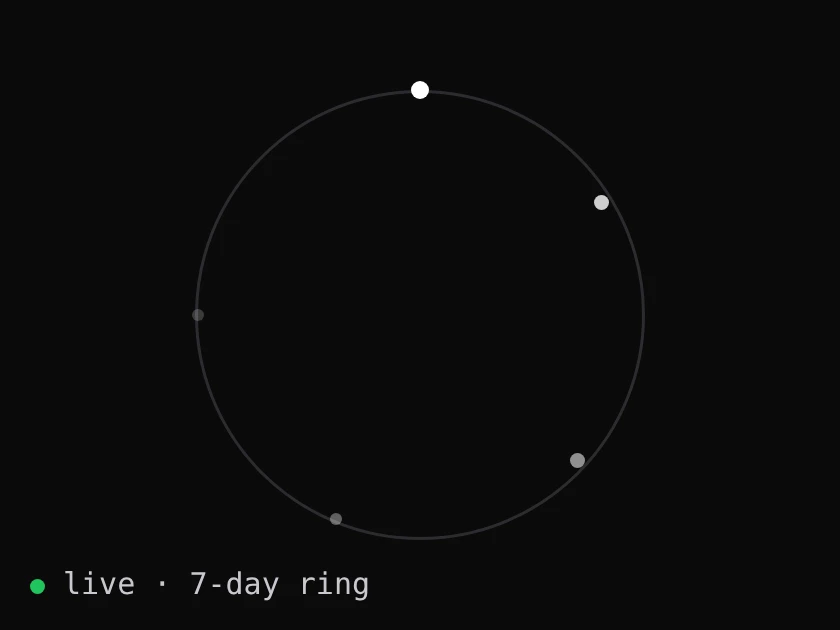
live
every signal, alive. each signal on nixm™ right now, as a point of light on a seven-day ring: born at the top, dissolving where it began. no names, no words, no owners. only how long each one has left.
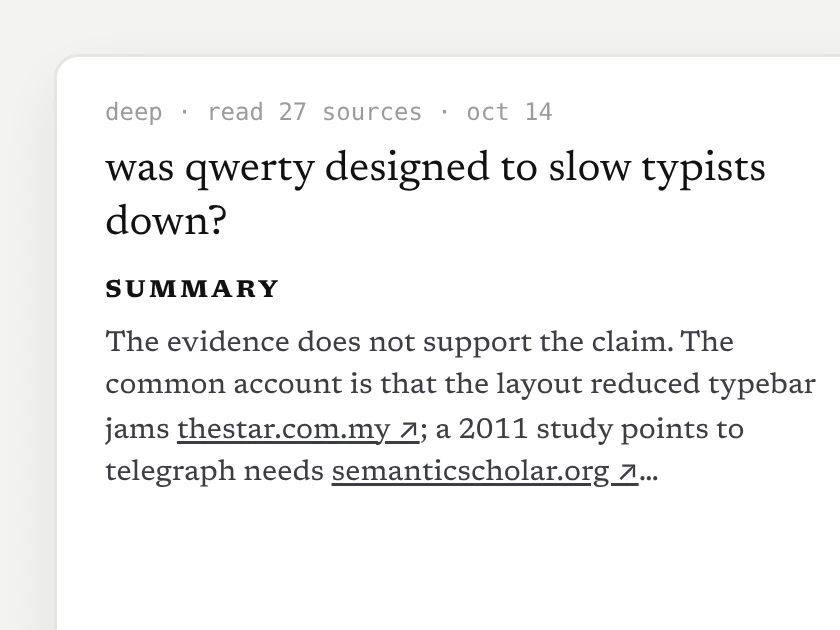
web research
a researched doc, not a guess. ask nixm™ to look something up — or tap search the web when it's offered — and in about 10–15 seconds a short doc opens beside the chat: a direct answer, the findings, every source linked. it lands in the signal's research row, and nixm™ remembers what it found.
2 chat credits, charged only when the doc arrives. go deeper: a longer, sectioned report — 6 credits.
extend
eight seconds is where the shot starts, not where it ends. every finished clip now carries an EXTEND button — one press and the same shot carries on for about seven more seconds, one credit, no plan to join. press it again if it's still going somewhere. we cut the join down to about two tenths of a second by telling the model what it must not change; the writeup is in what extending a clip really does.
video gen
ask for a video, get a video. eight seconds, with its sound (a spoken line, ambience) in one pass. inline on mobile, side panel on desktop — expand, play, download. landscape, portrait, or square, detected from how you ask. HD or 4K — 1 video credit for HD, 2 for 4K. the sound is generated with the picture rather than added after — why that changes the result. how it compares with the rest of the field is in the best ai video generators of 2026.
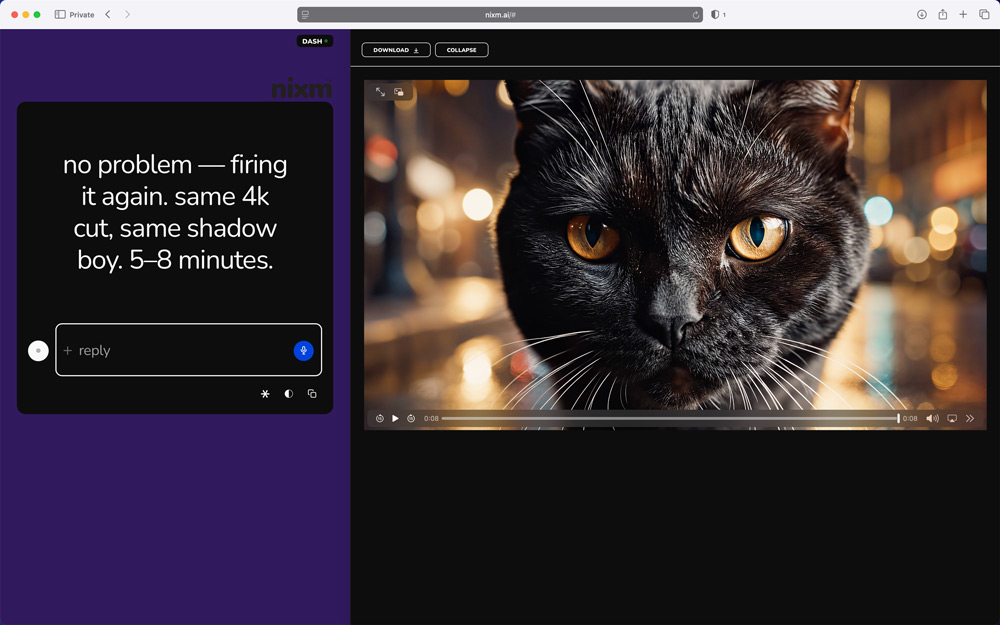
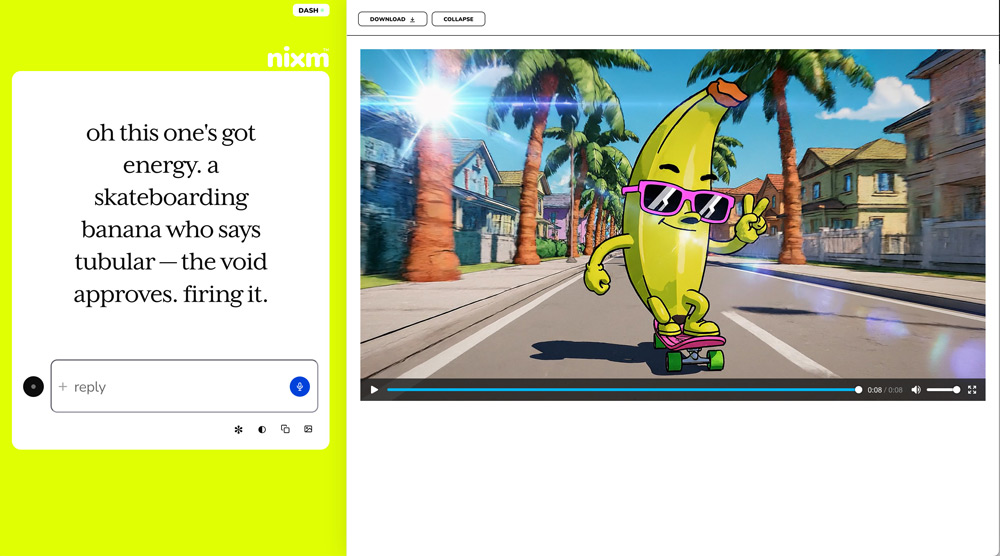
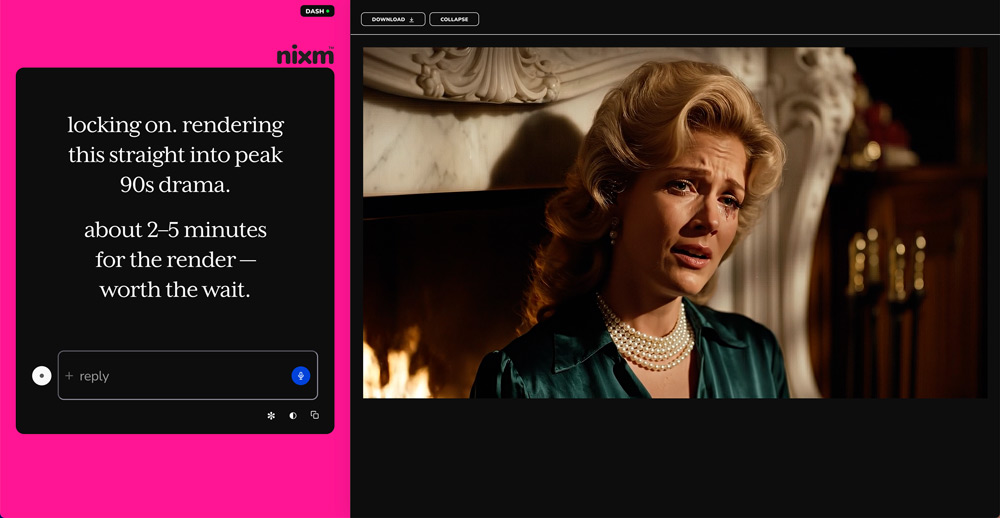
image gen
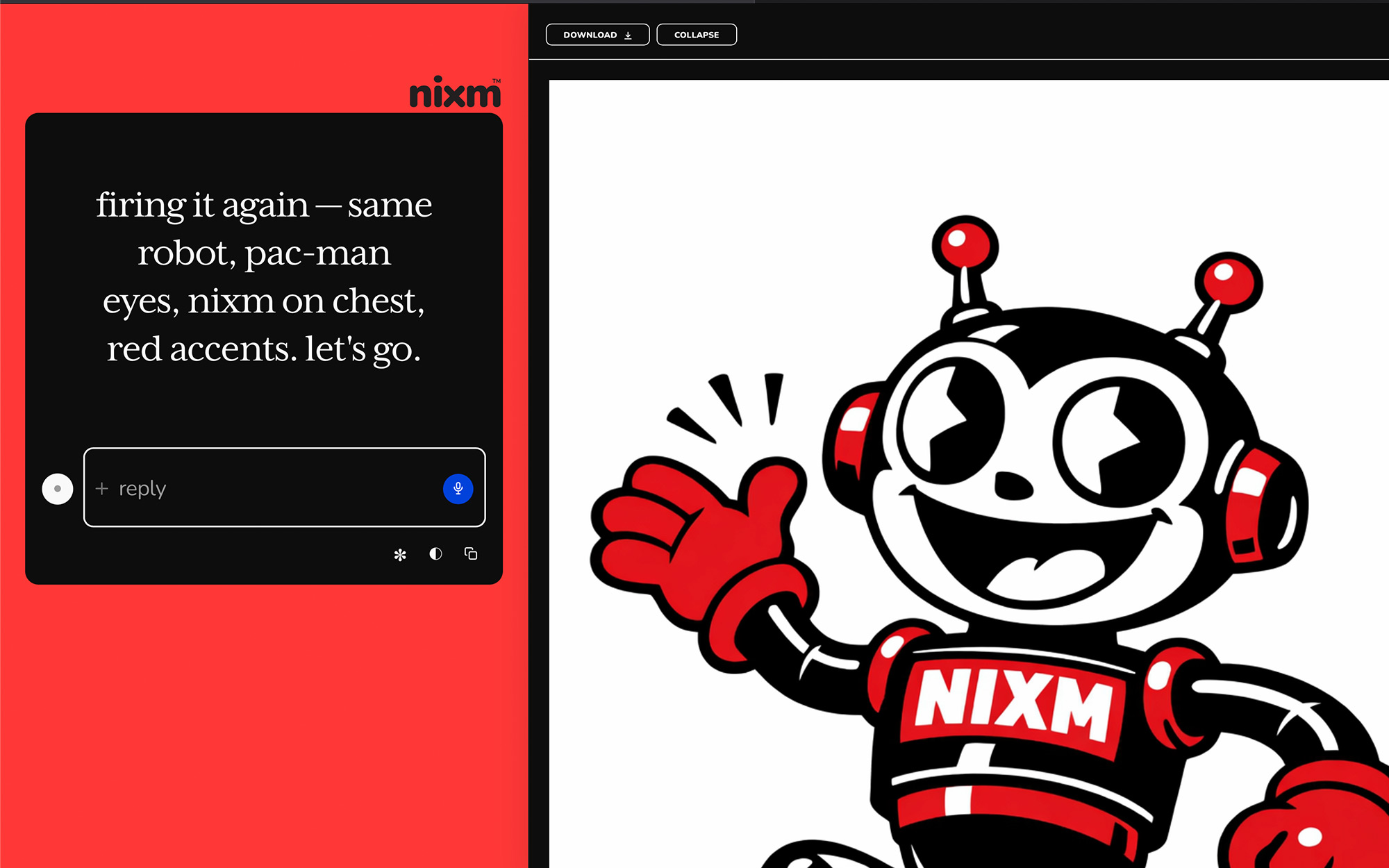
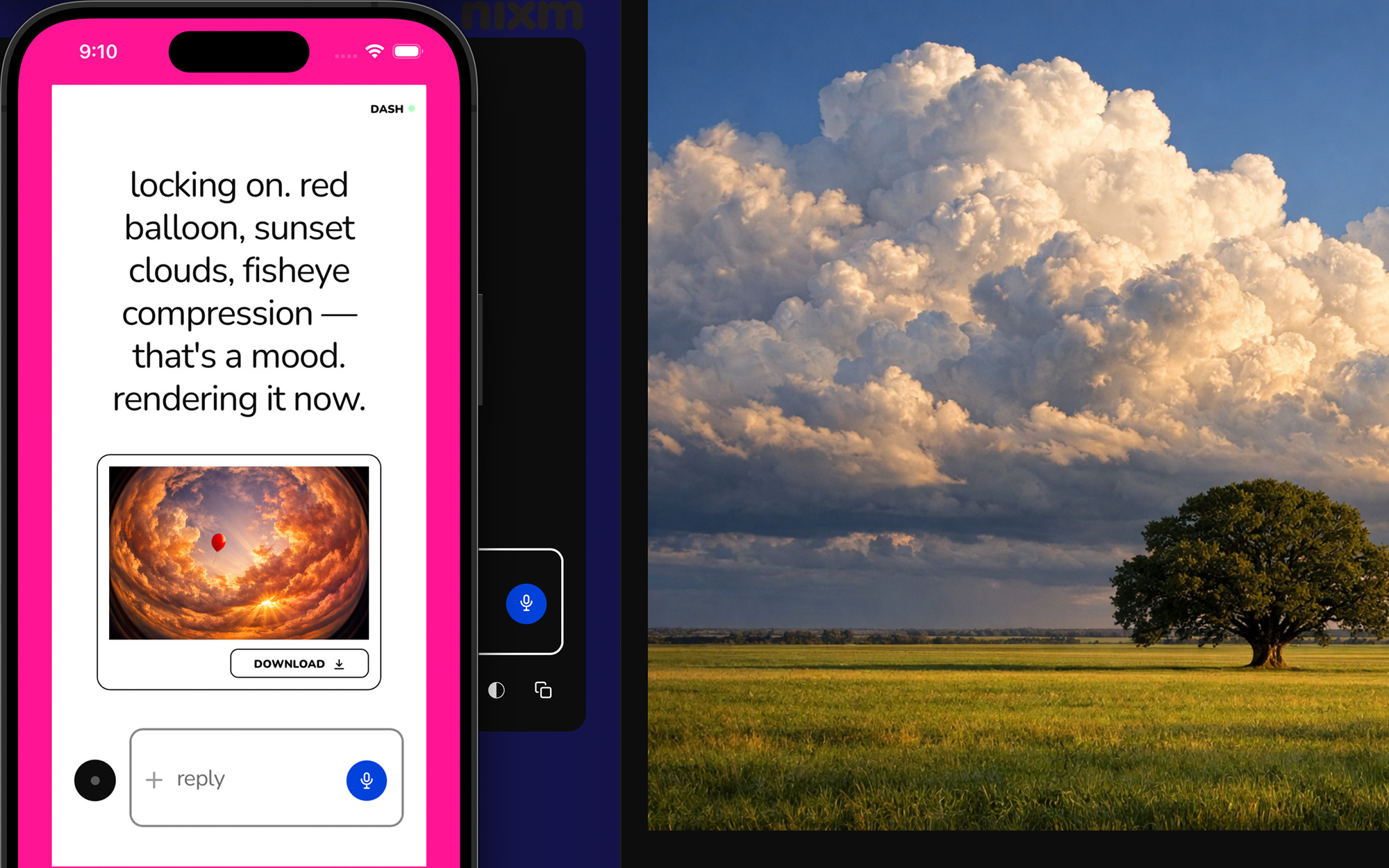
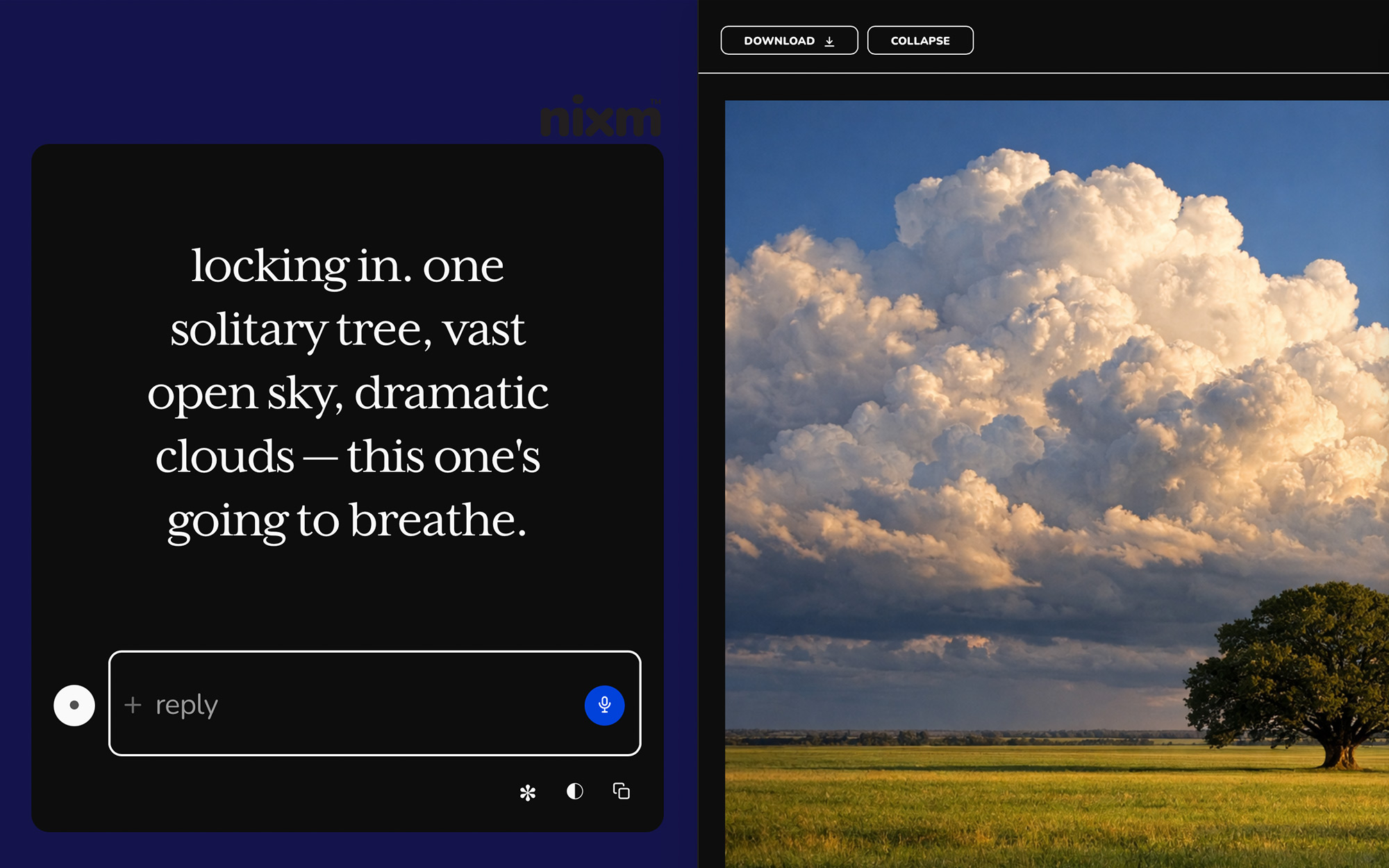
ask for an image, get an image. inline on mobile, side panel on desktop — expand, scroll, download. square, landscape, or portrait, detected from how you ask. 2 chat credits each. any image you make here can be set in motion as a clip. you can make the still without an account; what no sign-up actually gets you.
templates
pre-tuned signals for common modes. start a session already focused.
nixm-live
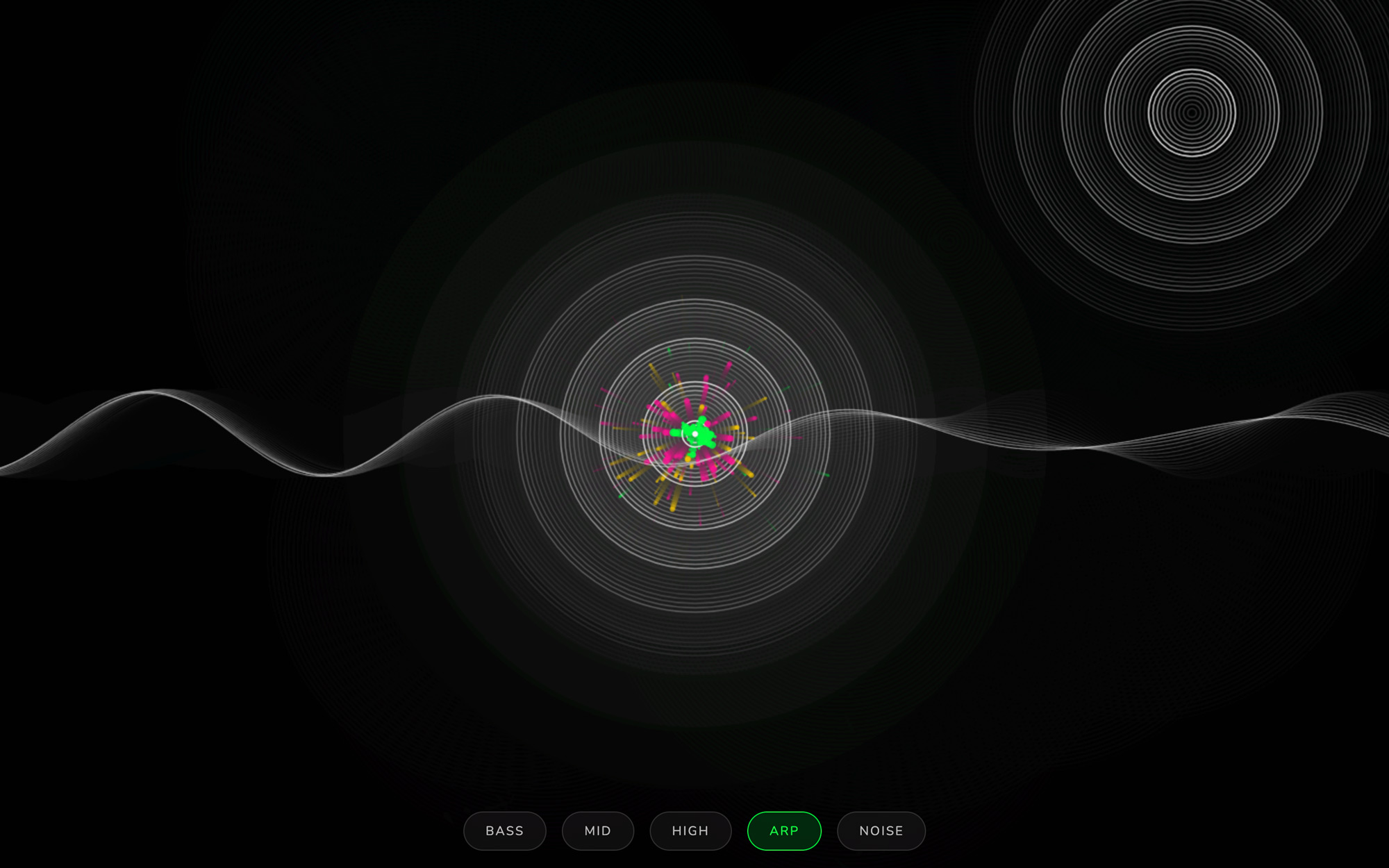
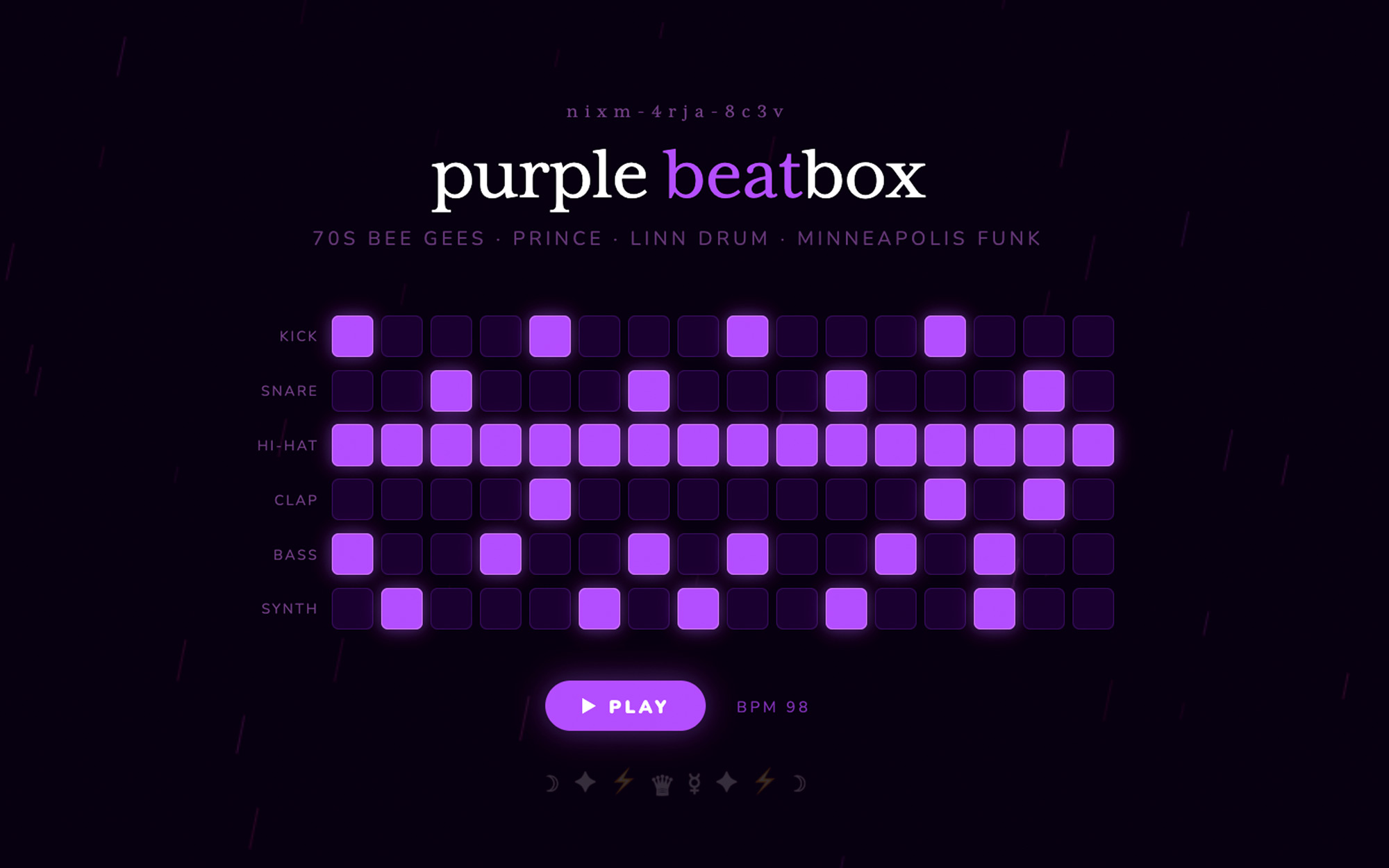
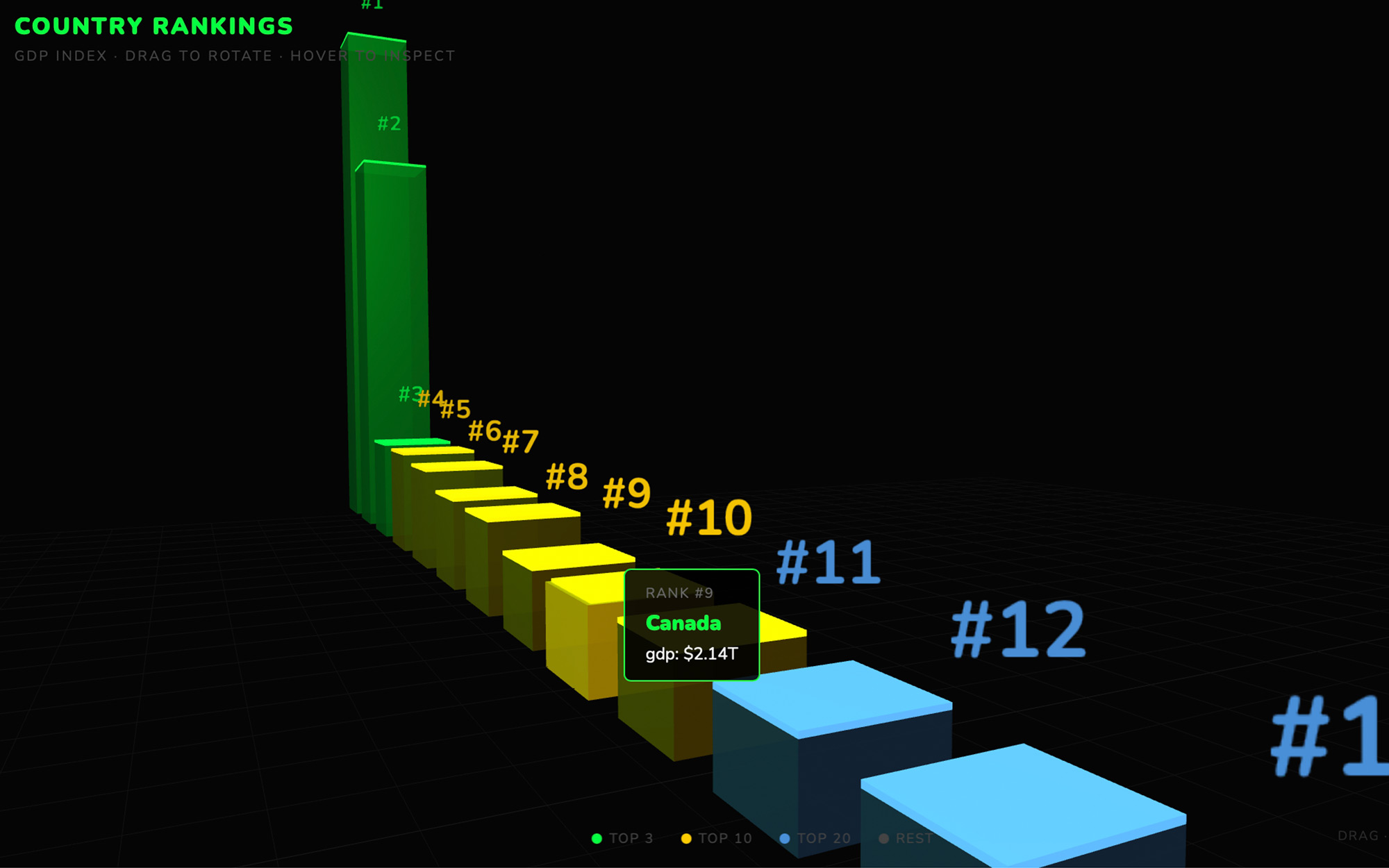
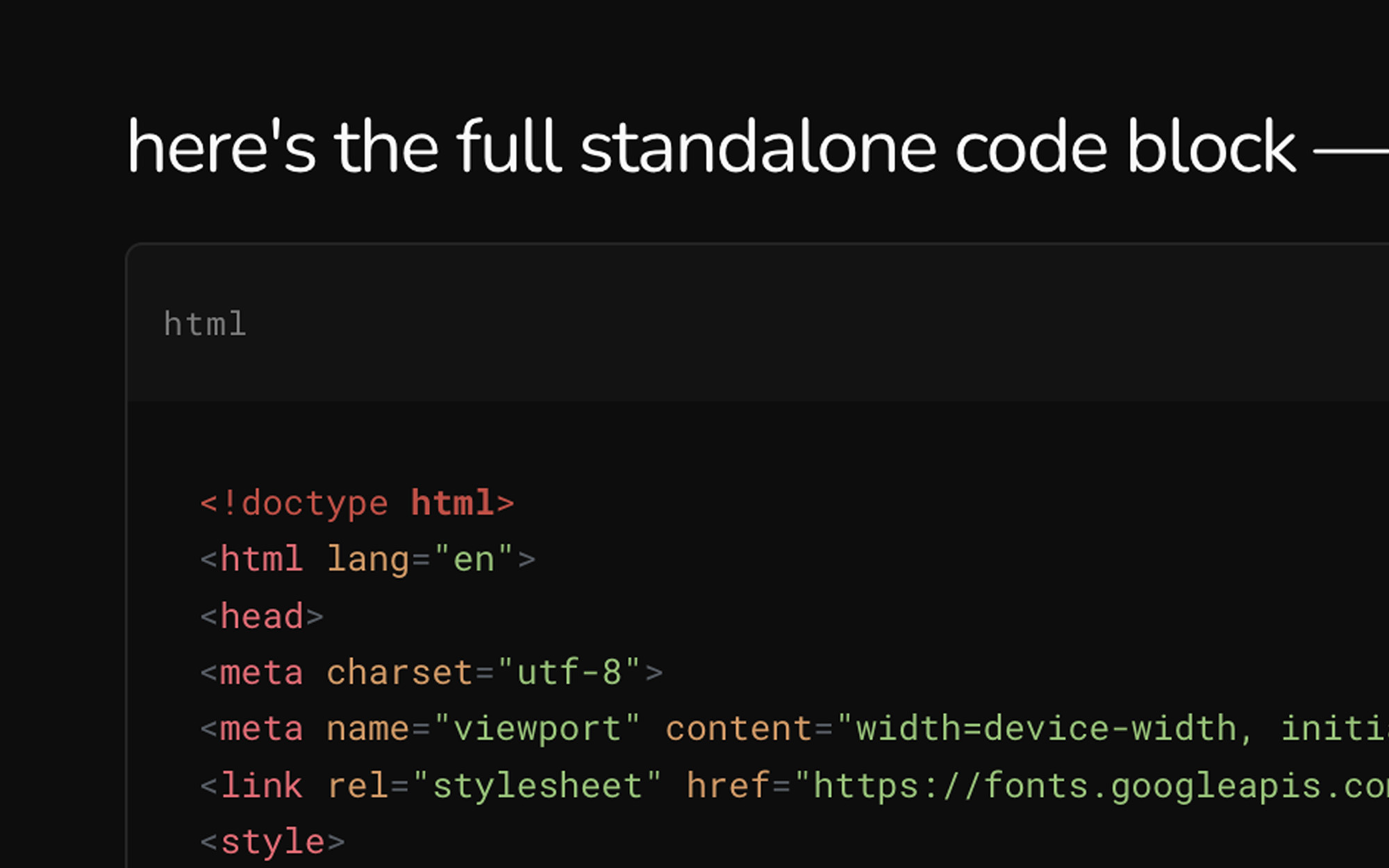
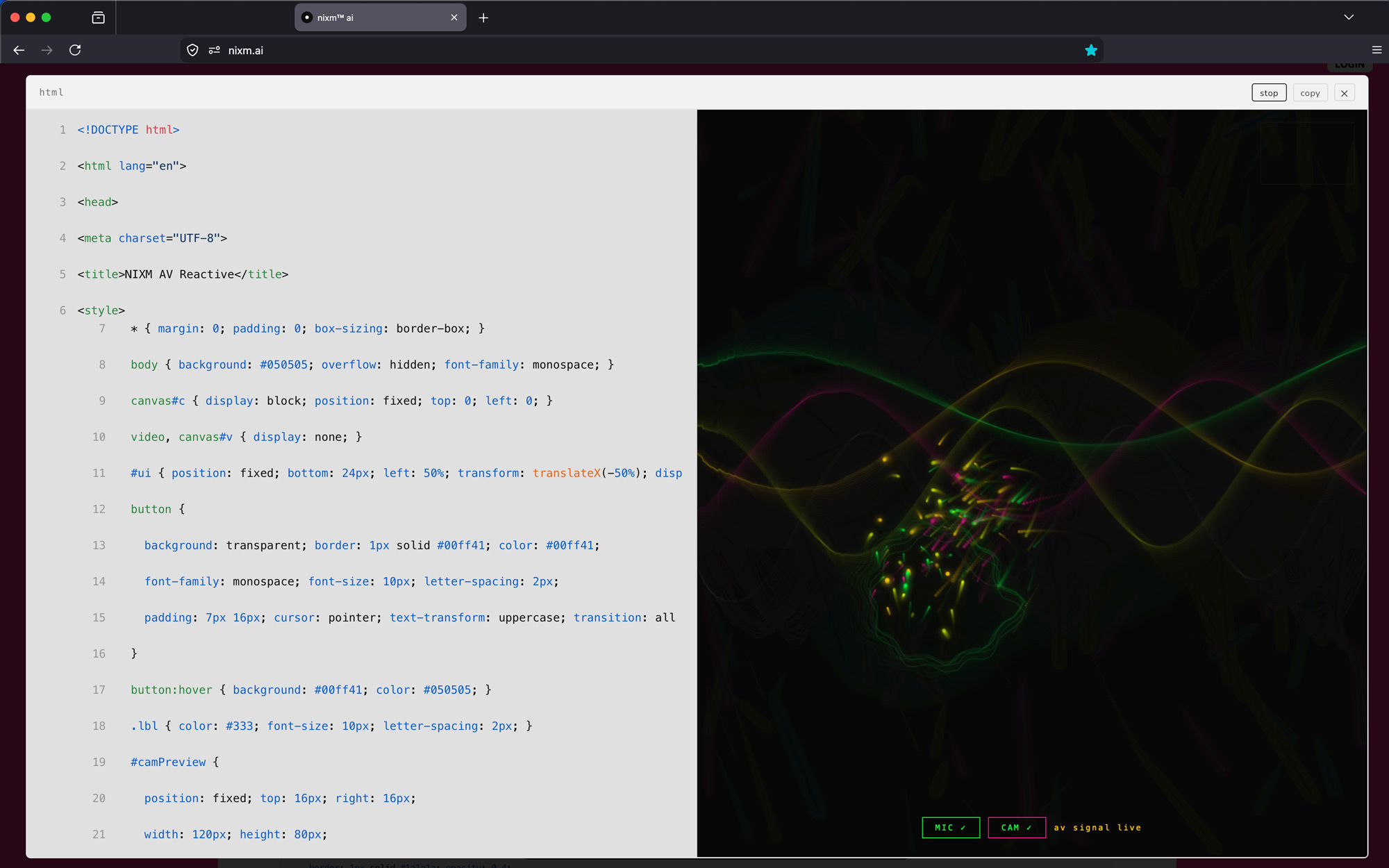
code that runs as it appears. ask nixm™ to show something visual and it renders live in the chat — no buttons, no waiting.
the runner
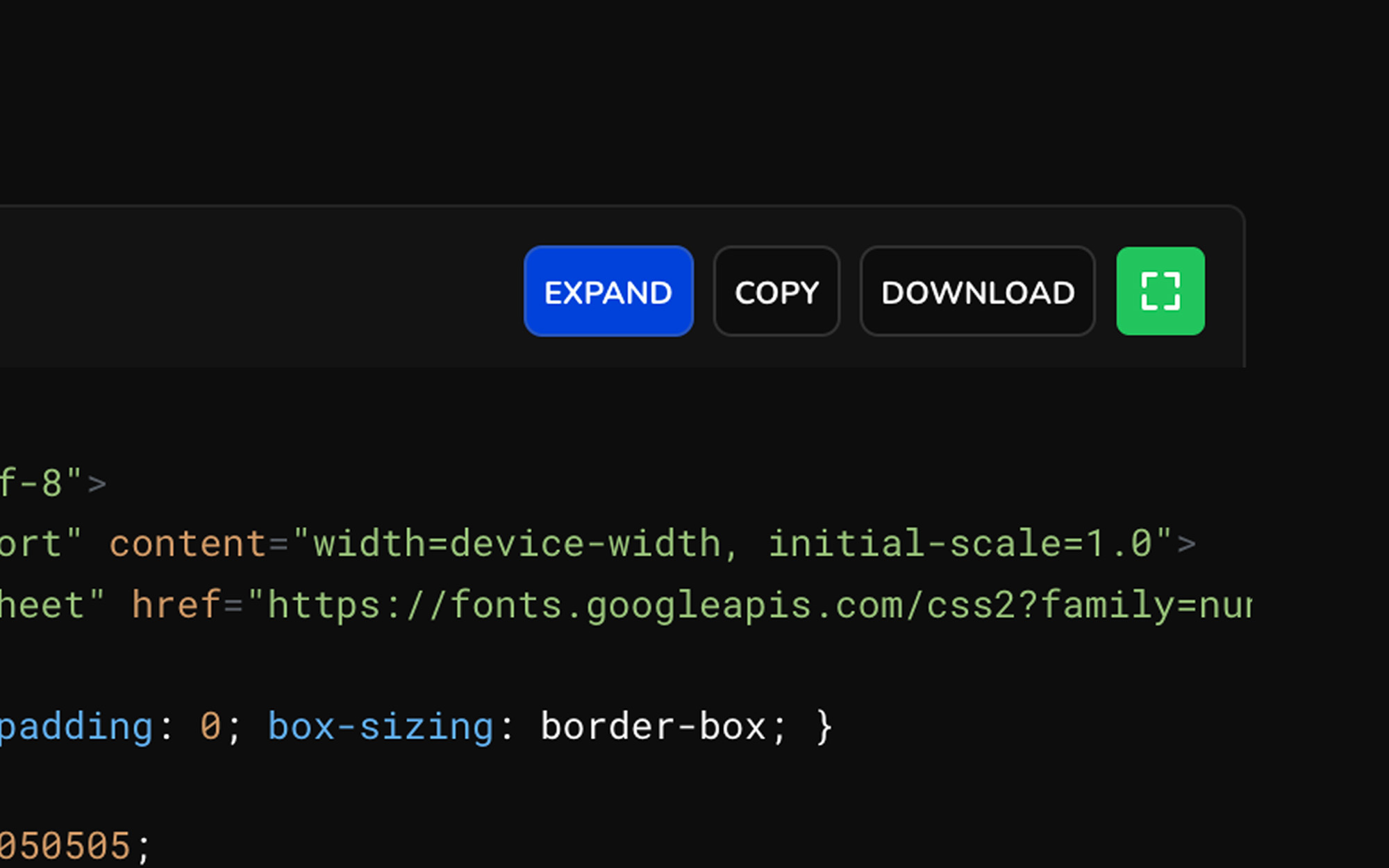
every code block is executable. expand any block to a full surface, run it, and watch the output. iterate without leaving the conversation.
every nixm is shareable.
seed a nixm. share the link. anyone who opens it enters the same focused intelligence you created — no setup, no re-explaining. the frequency holds for everyone.
signup free — 20 credits, plus a free video on us. drop your email to claim.
enter your email, then login to generate image or video.
next: nixms that act. not just a thread you share — a session that moves, drafts, and does. nixm™ is learning to reach.